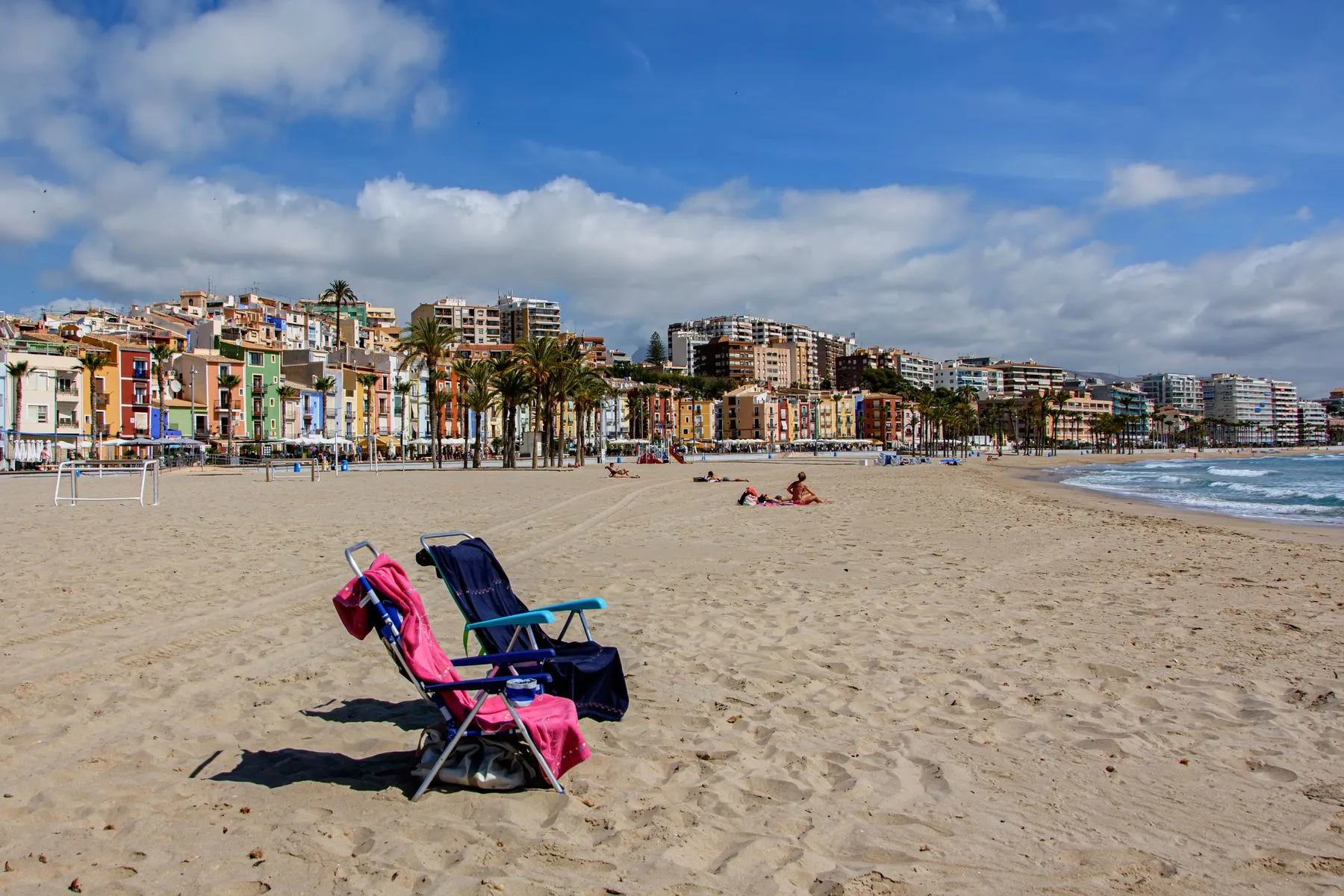
Higher spending in the first half of the year
International tourists spent a total of €13.579 billion in Spain in June 2026. That was 4.0% more than in June 2025. Across the first six months of 2026, the total reached €63.836 billion according to Spain’s statistics office INE, an increase of 7.0%.
Average spending per tourist was €1,393 in June. Per day, the average was €211. Leisure travel accounted for 85.5% of all spending and rose by 5.1% compared with a year earlier.
Why residents notice this too
Strong visitor numbers support restaurants, activities, transport and many local jobs. For new residents, this can mean a wide range of services and international connections. On the Costa Blanca, it is often easier to build a network in the first few months because many business owners are used to people from other countries.
There is a downside too. Crowds, seasonal differences and higher demand can affect prices and availability. A holiday week therefore does not show how a neighbourhood feels in November or on an ordinary Tuesday morning. Anyone moving should visit a place at several different times.
Living more cheaply requires a personal calculation
Spain can be cheaper than Northern Europe in certain respects, but this does not automatically apply to everyone or every coastal town. Housing costs, energy, a car, insurance, tax and healthcare need to be included in one monthly budget. Compare your actual current expenses with a realistic Spanish scenario, and include moving costs and a financial buffer.
From aspiration to a calm route
Corablanca can help coordinate the practical route from A to Z: from initial planning and documents to housing, connections and aftercare. The aim is not just to arrive in Spain, but to build a daily life that still works after summer.